


 (1).png)
News:
Owners Developers & Managers
Posted: September 20, 2019
Cornerstone Realty Capital arranges $8.5 million in financing for the construction of the Residences at Hyde Park Station
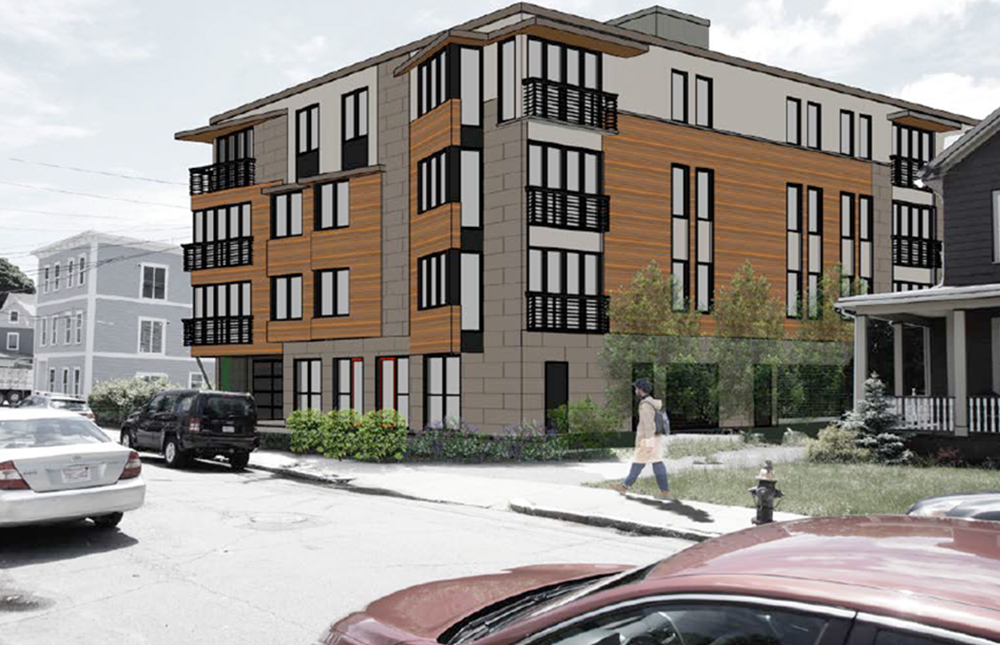
Hyde Park, MA Cornerstone Realty Capital has arranged $8.5 million in financing for the construction of an apartment development. Known as the Residences at Hyde Park Station, the property will consist of 24 two-bedroom, two-bathroom units and one 300 s/f commercial space.

Each unit will feature kitchens with stainless steel appliances and quartz countertops, in-unit laundry, wood flooring in the living and bedroom spaces and central air conditioning. The building will be outfitted with features including USB ports in all kitchens and bedrooms, a Butterfly MX Intercom System, a City Lift parking system and Package Lockers by Luxer One within the commercial space. Additional amenities available to all tenants will include a common area roof deck, garage parking for both cars and bicycles, and an elevator for access to any of the building’s four floors.
As the southernmost neighborhood of Boston, the city boasts a suburban feel within a city setting, making its motto, “A Small Town in the City” very fitting. The neighborhood has seen an increase in redevelopment over recent years, making the subject property desirable within the market given its finishes and amenities. The property is located in a transit-oriented location with a commuter rail station nearby, bringing tenants into downtown Boston. The property is also close to hiking trails in Blue Hills Reservation and the Stony Brook Reservation, which offers biking and baseball to swimming and horseback riding. Due to the property’s proposed construction and location within the neighborhood, the property will be an option for residents seeking a quieter, suburban feel with easy access into the downtown Boston area.
Patrick Brady, vice president at Cornerstone, said, “The Residences at Hyde Park Station presented another opportunity for lenders to finance transit-oriented development in a working class suburb of Boston. The property will provide residents with a short commute to the city at a fraction of the cost of living downtown. The experience of the sponsor throughout Boston, coupled with Cornerstone’s deep roster of construction lenders, created an extremely competitive marketplace for the financing.”
Cornerstone was able to deliver construction to permanent financing with the rate fixed for the entire term at closing. The aggressive structure included 85% loan-to-cost, a 7-year term with 24 months interest only followed by a 30-year amortization schedule.
MORE FROM Owners Developers & Managers
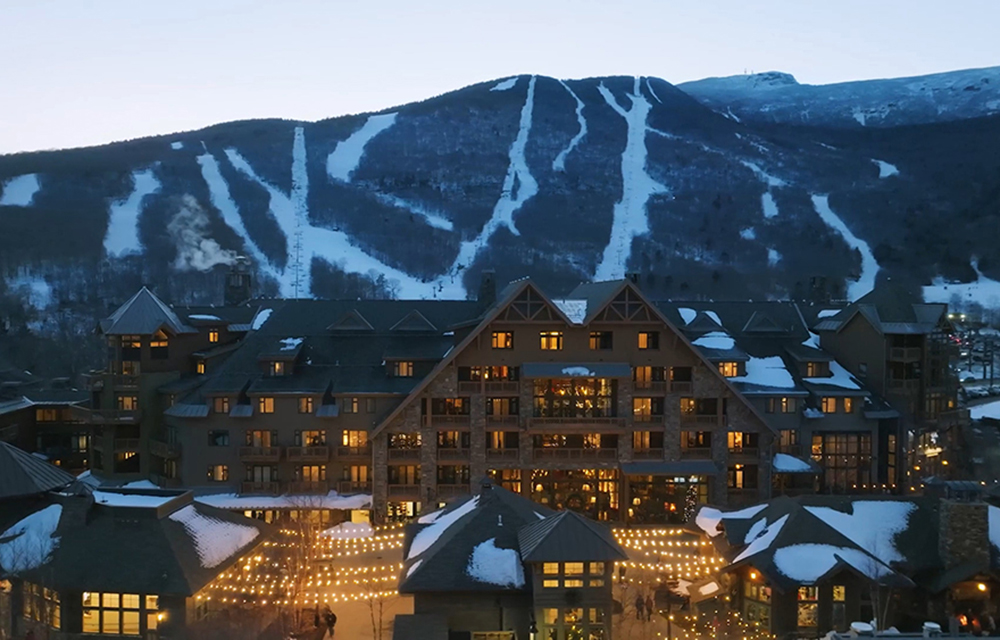
The Lodge at Spruce Peak recognized with Condé Nast Traveler’s 2026 Readers’ Choice Award - #3 in New England
Stowe, VT Condé Nast Traveler revealed the results of its annual Readers’ Choice Awards, with The Lodge at Spruce Peak recognized as the #3 U.S. Resort in New England.




Quick Hits


Columns and Thought Leadership

IREM president’s message: Our new reality - Staying ahead of supply chain delays - by Yoany Vargas
Supply chain delays are slowing construction, ratcheting up operating costs, and extending turnover timelines across Greater Boston, directly reducing revenue and increasing the workload for multifamily and

Retail infill strategy to activate Pawtucket’s Conant Thread District - by Gaetan Kashala
Until recently, the Conant Thread District consisted of approximately 150 acres of underutilized industrial land spanning Pawtucket and Central Falls. Today, the area is one of the most significant

Revitalized Town Centers: Retail??? - by Carol Todreas
It is now widely accepted that customers want to shop in person at physical stores. Brands know that they do better business in a physical store than just on line so they want to open stores. Demand for retail space by digital merchants, local entrepreneurs, and newly developed national chains

The legislature has spoken: New Hampshire doubles down on housing in commercial zones - by John Sokul
Last year, the New Hampshire Legislature enacted HB 631, a landmark housing measure requiring municipalities to permit multifamily housing in commercially zoned districts. The law generated