


 (1).gif)
News:
Finance
Posted: April 14, 2017
MassHousing provides $102.7 million in financing for four communities
Boston, MA Senior citizens living in four affordable housing communities in Boston, Framingham, Newton and New Bedford will see the preservation of affordability and extensive property renovations as a result of $102.7 million in MassHousing financing.
The four housing communities have a combined 711 apartments and will undergo a combined $55.2 million in renovations. The four transactions closed among a number of agency year-end loan closings. Recently financing included:
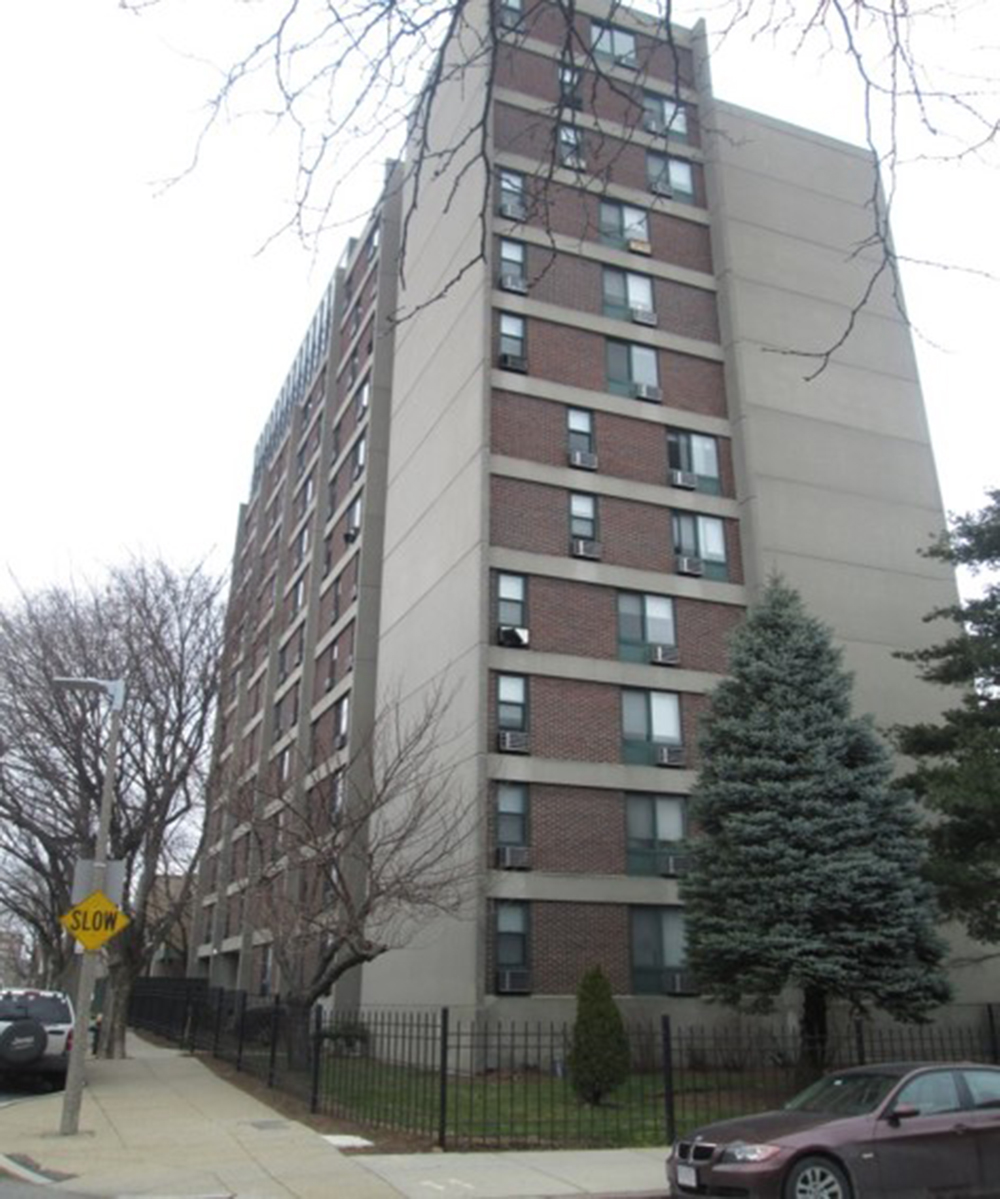
Smith House - Roxbury, MA
• Smith House, Roxbury, 132 low-income units: The non-profit Madison Park Community Development Corp. is completing a $19 million renovation of the property – the first since Smith House was constructed in 1974 – as well as building a new community center for Smith House and neighboring Madison Park Village residents. MassHousing provided a $13.4 million construction and permanent loan with a 3.75% interest rate under the HUD/HFA Risk Share Program and a $16 million bridge loan with a 2.45% interest rate. Other financing was provided through the allocation of Low-Income Housing Tax Credits (LIHTCs) by the state Department of Housing and Community Development (DHCD). All 132 units for low-income seniors are subsidized by a federal Housing Assistance Payment Contract (HAP).
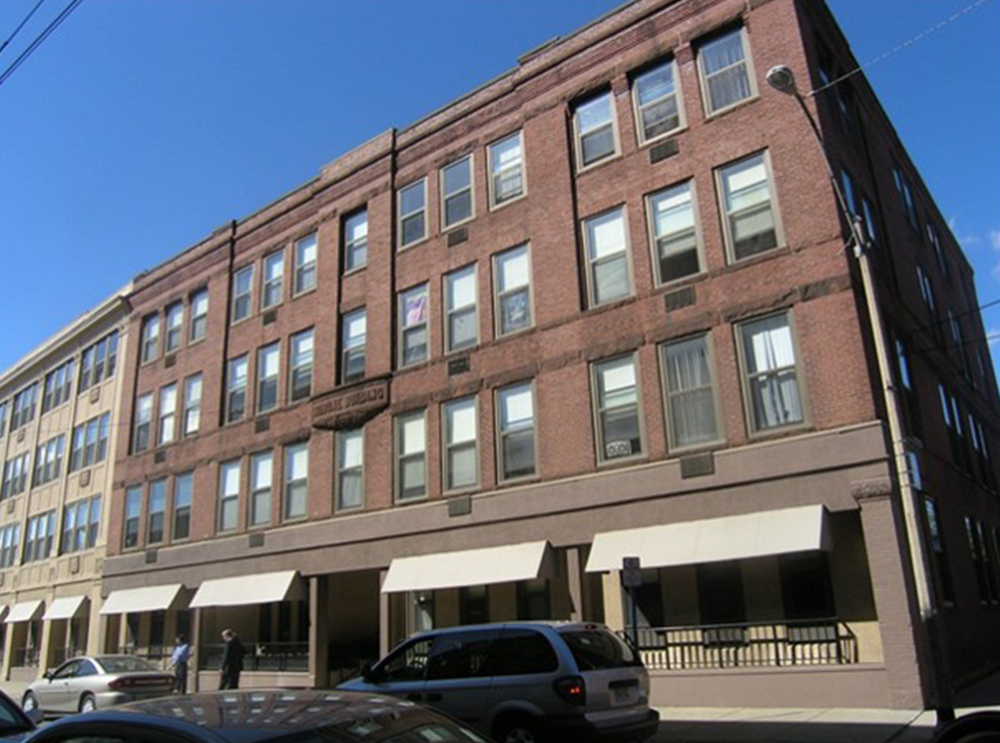
Tribune Apartments - Framingham, MA
• Tribune Apartments, Framingham, 53 low-income elderly and disabled units: The non-profit Preservation of Affordable Housing (POAH) is completing a $4.5 million rehabilitation of the property and creating four accessible units. MassHousing provided a $4.3 million construction and permanent loan with a 4.29% interest rate under the HUD/HFA Risk Share Program and a $4.7 million bridge loan with a 2.34% interest rate. Other financing sources were LIHTCs allocated by DHCD and financing through the Federal Home Loan Bank. All 53 low-income units are subsidized by a HAP contract that was extended for 20 years.
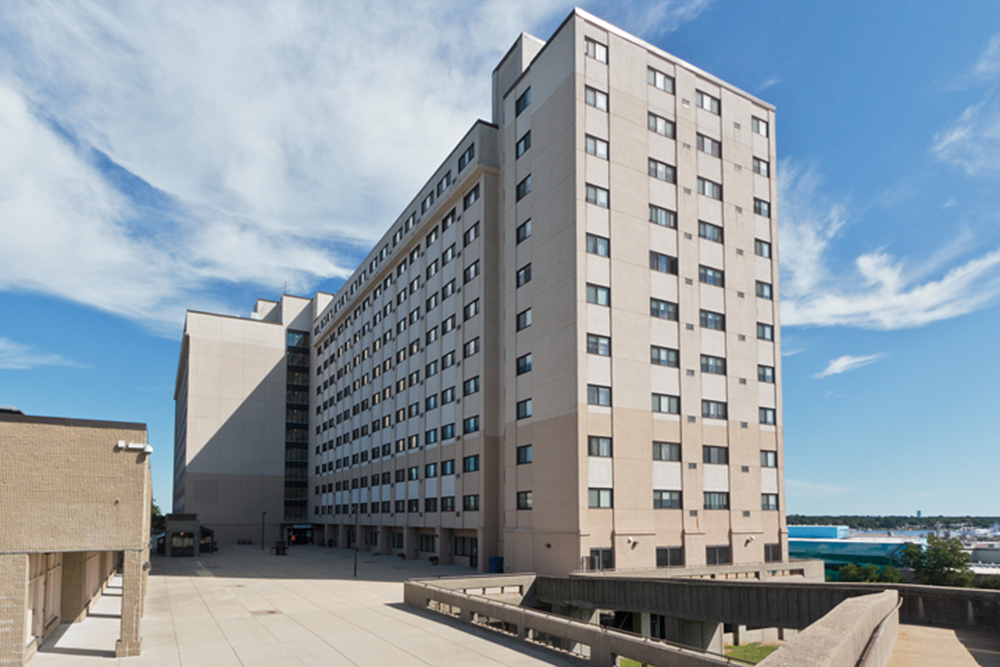
Melville Towers - New Bedford, MA
• Melville Towers, New Bedford, 327 low-income elderly units: Affordable Housing and Services Collaborative (AHSC) has refinanced the property and plans $1.7 million in renovations. MassHousing provided a $26.5 million loan through the MAP/Ginnie Mae Initiative with partner lender Rockport Mortgage Corp. AHSC was allowed to pre-pay its existing MassHousing loan with a 5.75% interest rate and refinance with a new interest rate of 3.13%. The HAP contract on 319 low-income units was extended for 20 years. Seven units are subsidized by the Gateway City of New Bedford through the HOME program and one unit is occupied by a property manager.
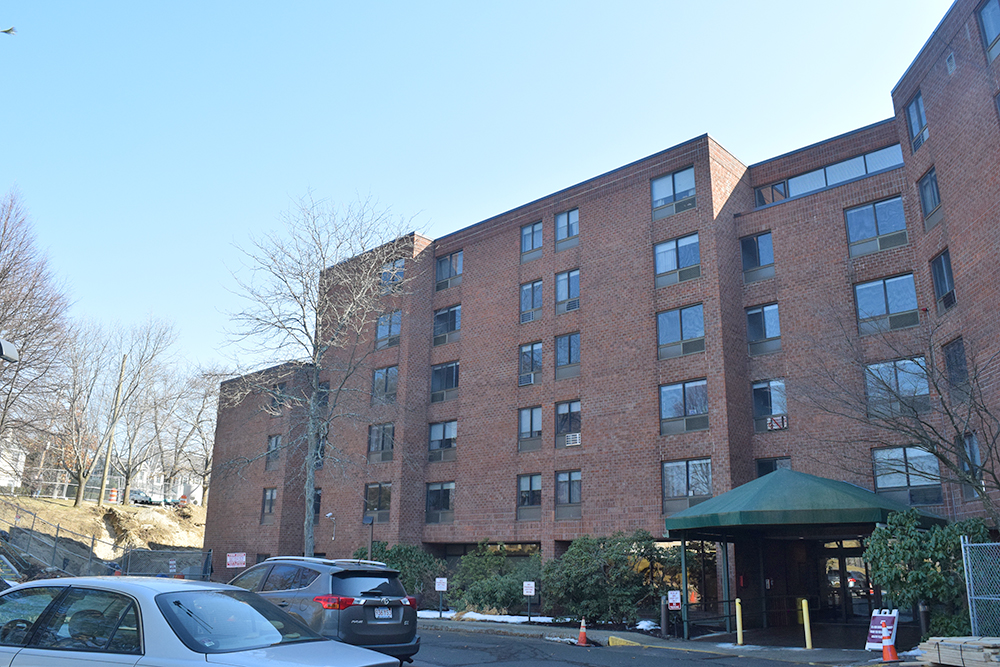
Golda Meir House - Newton, MA
• Golda Meir House, Newton, 197 elderly units: The non-profit Jewish Community Housing for the Elderly (JCHE) is completing a $30 million renovation of the elderly housing community. MassHousing provided a $37.8 million construction and permanent loan with a 3.9% interest rate through the HUD/HFA Risk Share Program. Another $19.8 million in financing was provided through the allocation of Low-Income Housing Tax Credits through DHCD. One hundred units are subsidized by a HAP contract and 74 additional units are affordable as a condition of using LIHTCs and HUD Project Rental Assistance Contract (PRAC) funding. There are 23 market rate units and two apartments are occupied by property managers.
Overall, MassHousing has provided financing for 485 apartment communities in Massachusetts involving more than 60,000 housing units.
“The owners of these four important housing communities for senior citizens were very committed to not only extending affordability for their residents but also to making significant property upgrades,’’ said MassHousing Executive Director Tim Sullivan. “MassHousing has a longstanding commitment to create and preserve quality housingopportunities for our seniors and we were very pleased to complete these transactions involving more than 700 apartments.’’
MassHousing (The Massachusetts Housing Finance Agency) is an independent, quasi-public agency created in 1966 and charged with providing financing for affordable housing in Massachusetts. The Agency raises capital by selling bonds and lends the proceeds to low- and moderate-income homebuyers and homeowners, and to developers who build or preserve affordable and/or mixed-income rental housing. MassHousing does not use taxpayer dollars to sustain its operations, although it administers some publicly funded programs on behalf of the Commonwealth. Since its inception, MassHousing has provided more than $20 billion for affordable housing.
Tags:
Finance
MORE FROM Finance

Berkeley Garbe secures $35.4 million debt financing with MetLife Investment Management
Billerica, MA Berkeley Garbe has secured a $35.4 million financing package for 161 Concord Rd., a new advanced manufacturing and innovation hub that is 30% complete following the start of construction in June. The project is on track to be completed in April 2027.


 (1).gif)


Quick Hits

Columns and Thought Leadership

Reverse exchanges and the challenges of a competitive real estate market - by Michele Fitzpatrick
Our current, highly competitive real estate market poses specific challenges for investors who are considering taking advantage of a tax-deferred 1031 exchange. In this market, investors will have no problem selling their current property if priced properly, but they may find it difficult to find a suitable replacement property

Massachusetts real estate transfers over $1 million face new tax rules as of November 1st - by Daniel Meyer
Attention to owners of real estate in the Commonwealth (and the title companies and other professionals who advise them), the Massachusetts Department of Revenue (the “DOR”) recently adopted a new “millionaire’s tax” via 830 CMR 62B.2.4

Are appraisers on the same page as the assessor? - by Richard Seman
The purpose of this article is to address problematic or confusing issues which may help assessors and appraisers to better understand how to value real estate for tax assessment purposes.

The focus on price per s/f compared to the comparable sales used in the appraisal report - by Dennis Chanski
Over the past several weeks, I have completed appraisal assignments for private clients. Interestingly, after submitting these appraisals, I received several phone calls – not to question the value, content, or any incorrect information, but rather to discuss the price per s/f compared to the comparable sales used in the report.
