


 (1).gif)
News:
Finance
Posted: August 13, 2021
Messier of Lument closes on a $26 million Fannie Mae DUS conventional multifamily loan to refinance Garden Hill Apartments in Hartford, CT
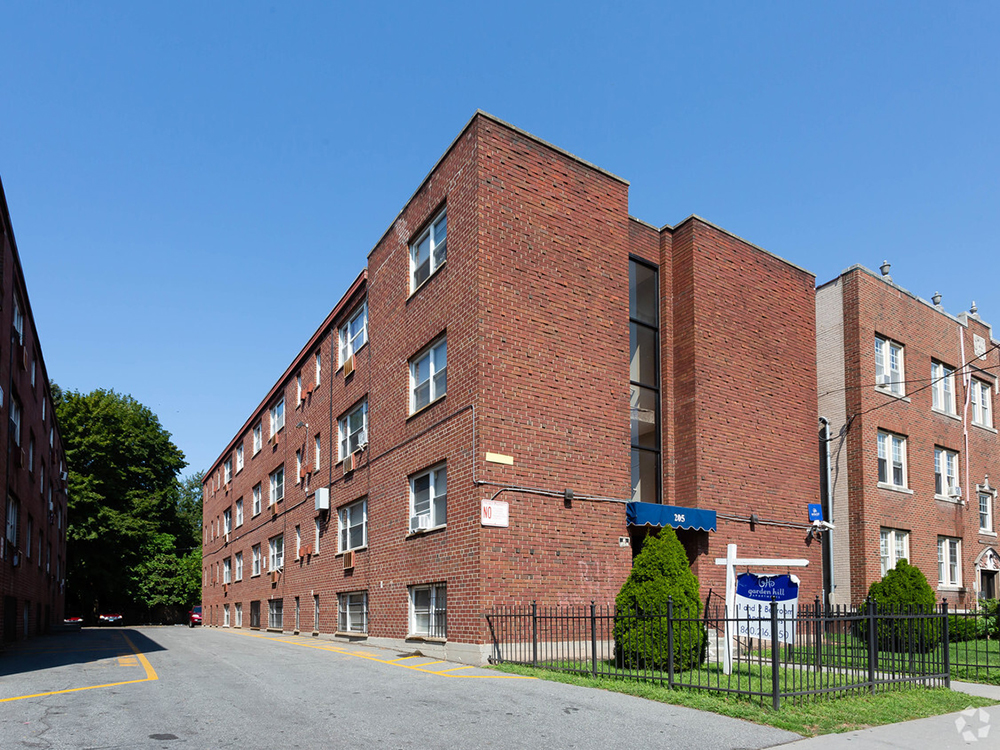
Hartford, CT Lument has completed the closing of a $26 million Fannie Mae DUS conventional multifamily loan to refinance Garden Hill Apartments, a 591-unit mid-rise portfolio. Josh Messier, managing director in Lument’s New York office, led the transaction.
Originally constructed in 1963, Garden Hill Apartments is a 20-property portfolio with 20 separate buildings and a combined eight acres. The portfolio was purchased by the current sponsor in 2012 during a time of distress, as occupancy averaged 65%. The sponsor steadily improved the community over the years, resulting in a current occupancy rate of 98%. To further enhance the portfolio and provide funds for additional acquisition opportunities, the sponsor sought to refinance existing debt while also obtaining cash-out proceeds.
“The experienced sponsors of Garden Hill Apartments are repeat Fannie Mae clients and are well-versed in the ample benefits of an agency execution,” said Messier. “In addition to refinancing existing debt at a low, fixed rate, the successful closing allows the sponsor to continue to reinvest in Garden Hill with strategic unit upgrades while also investing in additional multifamily housing opportunities via substantial cash-out proceeds.”
The Fannie Mae loan features a 10-year term, five years of which are interest only, and 30-year amortization schedule.
Garden Hill Apartments is 100% mission-driven with all units affordable to renters at 60% of area median income (AMI) and 88% of units affordable to renters at 50% AMI.
“The properties provide important, high-quality rental housing to a large workforce community in the Hartford area,” Messier said. “We were pleased to provide this execution for a strong, local sponsor through David Betesh of Rockwell Mortgage Capital Advisors.”
Tags:
Finance
MORE FROM Finance
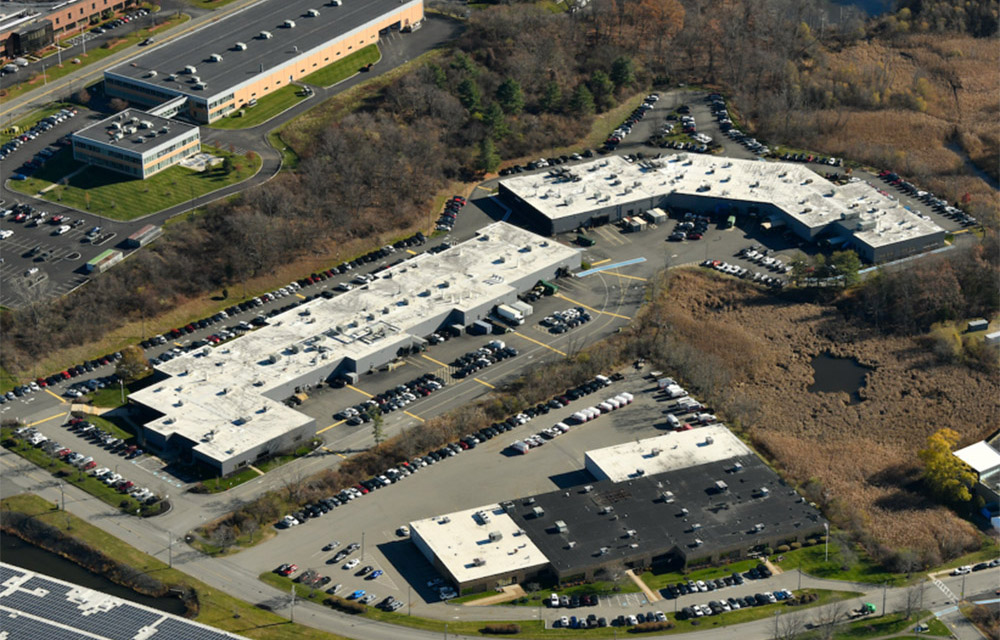
Northwest Bank finances Luzern Associates’ $47.75m acquisition
Danvers, MA Northwest Bank provided $34.5 million in financing to support Luzern Associates LLC’s $47.75 million acquisition of the Cherry Hill industrial portfolio, a three-building campus totaling 200,000 s/f.



 (1).gif)


Quick Hits

.png)
Columns and Thought Leadership

Are appraisers on the same page as the assessor? - by Richard Seman
The purpose of this article is to address problematic or confusing issues which may help assessors and appraisers to better understand how to value real estate for tax assessment purposes.

Reverse exchanges and the challenges of a competitive real estate market - by Michele Fitzpatrick
Our current, highly competitive real estate market poses specific challenges for investors who are considering taking advantage of a tax-deferred 1031 exchange. In this market, investors will have no problem selling their current property if priced properly, but they may find it difficult to find a suitable replacement property

Massachusetts real estate transfers over $1 million face new tax rules as of November 1st - by Daniel Meyer
Attention to owners of real estate in the Commonwealth (and the title companies and other professionals who advise them), the Massachusetts Department of Revenue (the “DOR”) recently adopted a new “millionaire’s tax” via 830 CMR 62B.2.4

The focus on price per s/f compared to the comparable sales used in the appraisal report - by Dennis Chanski
Over the past several weeks, I have completed appraisal assignments for private clients. Interestingly, after submitting these appraisals, I received several phone calls – not to question the value, content, or any incorrect information, but rather to discuss the price per s/f compared to the comparable sales used in the report.
