


 (1).png)
News:
Owners Developers & Managers
Posted: April 30, 2021
Newman Properties sells two three-family properties for $1.72m
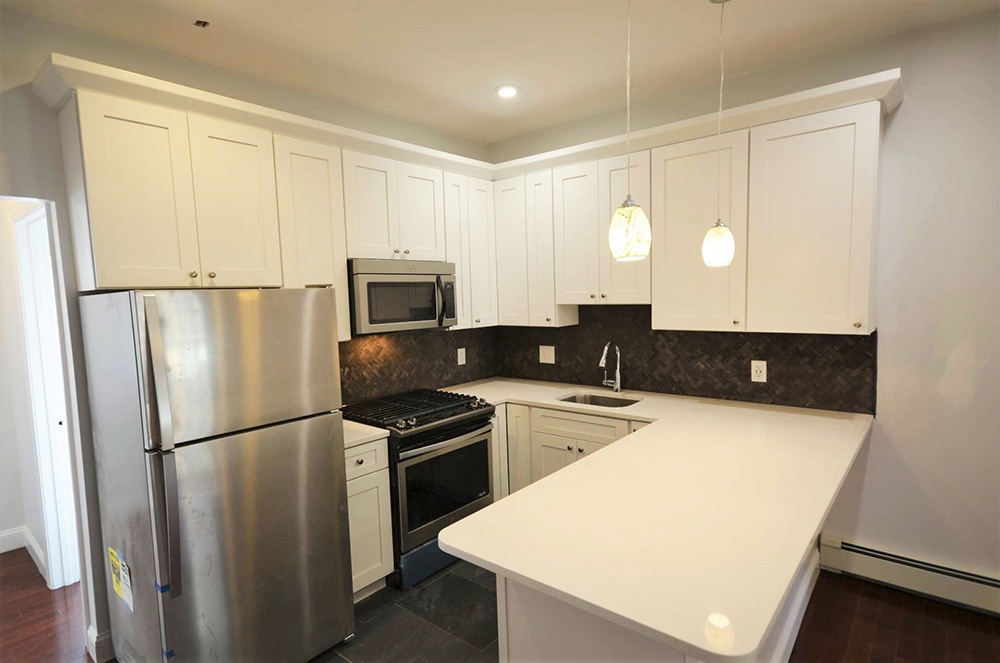
East Boston, MA Newman Properties affiliates, East Boston Management & Development, and Havre Street Apartments LLC, completed the sale of two, three-family homes. The properties consist of six units total and are located at 202-204 Lexington St., one of the hottest investment neighborhoods in all of Boston. The broker representing Newman Properties was Jorge Rodriguez of Carlton’s Wharf & Co. The assets sold for $1.72 million. Leader Bank provided financing for the buyer.
Matthew Newman, principal, and CEO of Newman Properties, said, “We still love East Boston and continue to operate and develop property in this growing neighborhood. We had a very low basis in these two properties and wanted to utilize the 1031 tax-free exchange provision to add to our retail NNN portfolio.”
Both buildings were recently renovated and were an ideal buy-and-hold option with a strong cash flow. The apartments feature gleaming hardwood floors throughout, high ceilings, some featured stainless steel appliances, new countertops, and kitchen cabinets. The location was ideal on Eagle Hill within a short walk of restaurants, shops, and the Airport Blueline MBTA stop.
With a distinguished portfolio of residential and commercial properties, Newman Properties and its affiliates own and/or manage over 650 residential units as well as office and retail space.
The company has bought and sold over $500 million worth of property in the areas surrounding Eastern Massachusetts and Rhode Island. Currently, the company has projects in the pipeline that include condo conversions, renovations, and value-added projects, as well as buy and hold projects. Additionally, the company is overseeing multiple developments, including ground-up construction projects, and is seeking new acquisitions.
MORE FROM Owners Developers & Managers
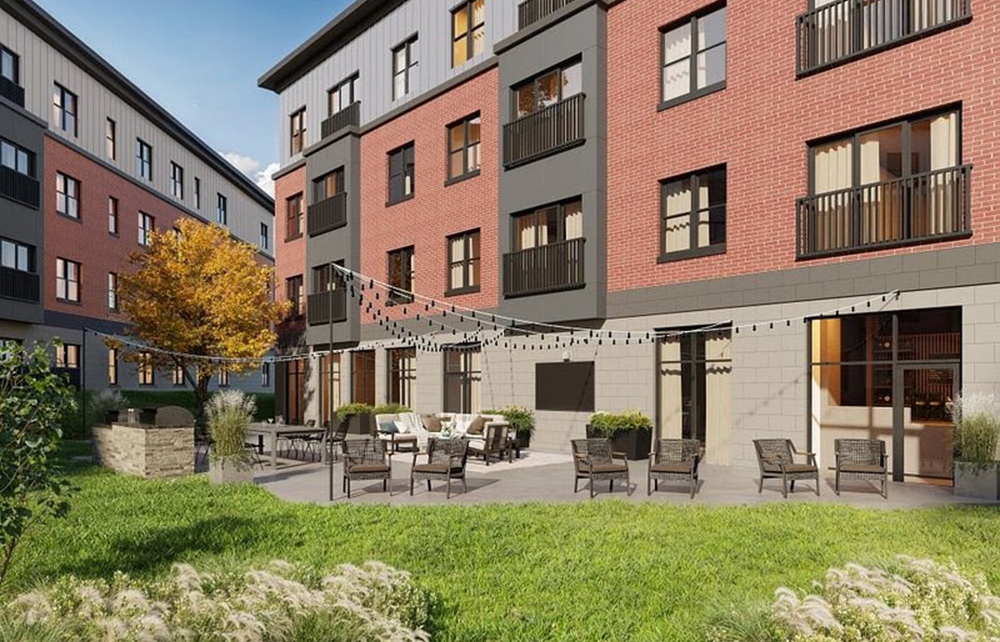
Cathartes and Tidemark set to open first phase of Marlo on Mill Pond
Portsmouth, NH According to Cathartes and Tidemark, the first of new luxury waterfront apartment homes will become available this fall in the city’s West End. Located at 75, 85 and 95 Addorio Way, Marlo on Mill Pond will feature 151 studio,






Quick Hits
 (1).png)

Columns and Thought Leadership

Retail infill strategy to activate Pawtucket’s Conant Thread District - by Gaetan Kashala
Until recently, the Conant Thread District consisted of approximately 150 acres of underutilized industrial land spanning Pawtucket and Central Falls. Today, the area is one of the most significant

The legislature has spoken: New Hampshire doubles down on housing in commercial zones - by John Sokul
Last year, the New Hampshire Legislature enacted HB 631, a landmark housing measure requiring municipalities to permit multifamily housing in commercially zoned districts. The law generated

IREM president’s message: Our new reality - Staying ahead of supply chain delays - by Yoany Vargas
Supply chain delays are slowing construction, ratcheting up operating costs, and extending turnover timelines across Greater Boston, directly reducing revenue and increasing the workload for multifamily and

Revitalized Town Centers: Retail??? - by Carol Todreas
It is now widely accepted that customers want to shop in person at physical stores. Brands know that they do better business in a physical store than just on line so they want to open stores. Demand for retail space by digital merchants, local entrepreneurs, and newly developed national chains