


 (1).png)
News:
Owners Developers & Managers
Posted: October 27, 2023
Shawmut Design and Construction breaks ground on Yale Divinity's new living village
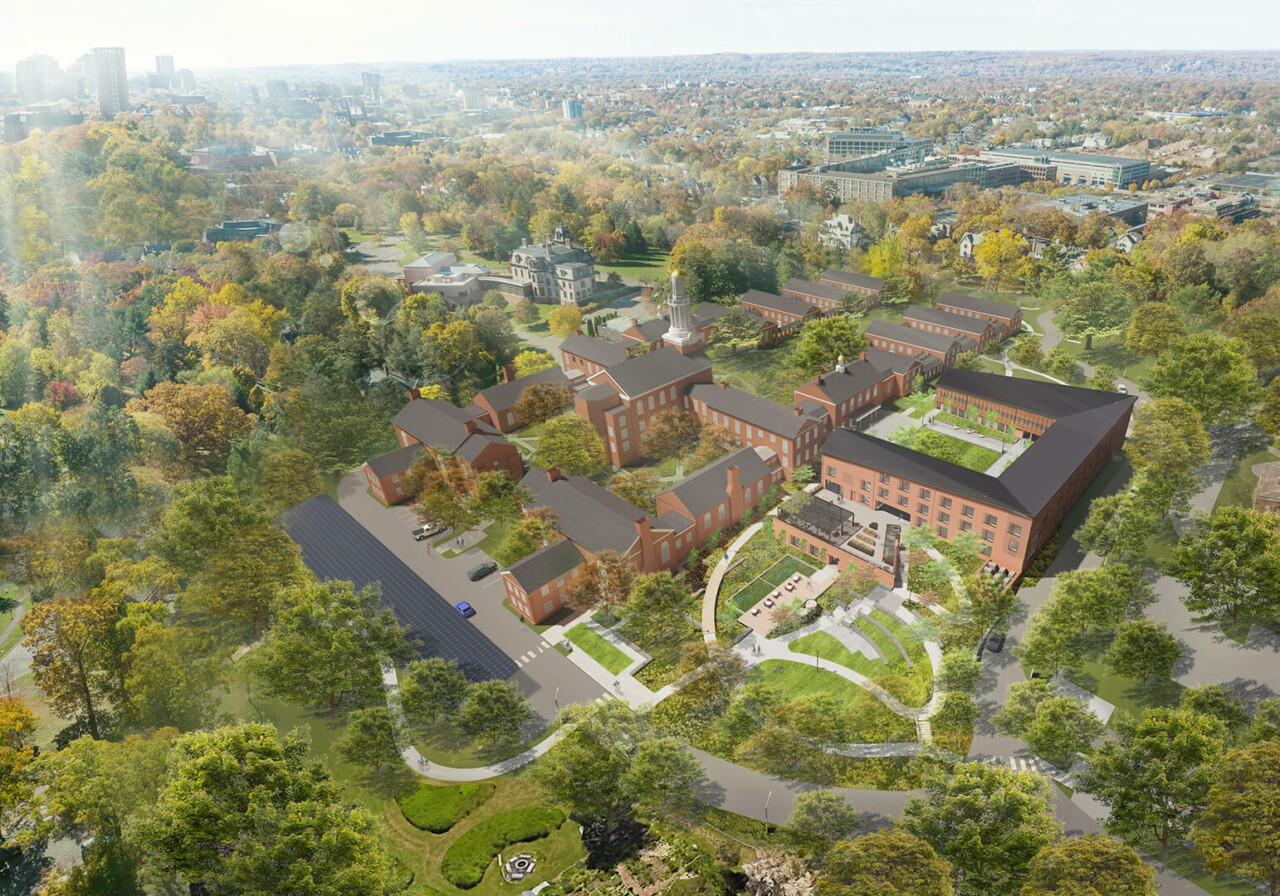
New Haven, CT Shawmut Design and Constructio joined Yale Divinity School (YDS) on October 11 to officially break ground on the Living Village, a living building residence hall for divinity students that gives back to the environment.
Set to open in 2025, the 45,000 s/f, 4.5-acre project will be the largest residential living building on a university campus anywhere and is designed to meet the stringent standards of the Living Building Challenge (LBC), an international certification system that promotes sustainable design and construction. Among other features, the Living Village will achieve a net positive carbon, energy, and water footprint; generate more energy than it uses; be constructed with recycled and environmentally benign materials; and meet all its energy needs through solar power. Shawmut Design and Construction is the construction management firm, working with the design team comprised of Bruner/Cott Architects, Höweler + Yoon Architecture, and Andropogon Associates.
"The Living Village epitomizes our commitment to pioneering sustainable solutions across the higher education landscape,” said Ron Simoneau, executive vice president of education at Shawmut Design and Construction. “As a Living Building Challenge project, it not only establishes a benchmark for environmental stewardship but also crafts a living learning environment that cultivates a profound connection with nature. Through an environmentally conscious construction approach, we are not just building structures, we are shaping a space that significantly enhances the student well-being experience.”
“The Living Village will provide much-needed affordable housing for students and provide a valuable learning experience showing students a different way of building and living,” said Yale Divinity School dean Greg Sterling. “It’s an expression of the Divinity School’s academic, theological, and moral vision, which includes an accelerating shift to sustainability in curricula, teaching, and operations—all designed to educate students to become apostles of the environment.”
In line with LBC 4.0, Living Village’s net-positive features include a photovoltaic roof and canopy; on-site water reuse, treatment, and storm water management systems; and locally sourced materials. The project will create housing around a central courtyard with a water common, amphitheater, community terrace, and regenerative landscape. The below-market rate units will range from single rooms to one- and two-bedroom apartments with lounge space, study areas, and a community kitchen.
“Yale’s new Living Building Village will teach lessons of sustainability through contemporary, regenerative architecture, and landscape design that harmonizes old and new,” said Bruner/Cott partner and principal Jason Jewhurst. “It will inspire all who experience it to deepen their connection with the natural environment.”
“For me, the Living Village is an expression of a phenomenon that has been studied by generations of psychologists and other social scientists, as well as by scholars of divinity and religion. And that is hope,” said Yale president Peter Salovey. “It's a process by which we can transform what yet isn't into what can be. Hope, I think, is the enduring thing that will perch in the soul of this place when it stands for centuries to come, well after our time in this community and on this earth.”
MORE FROM Owners Developers & Managers
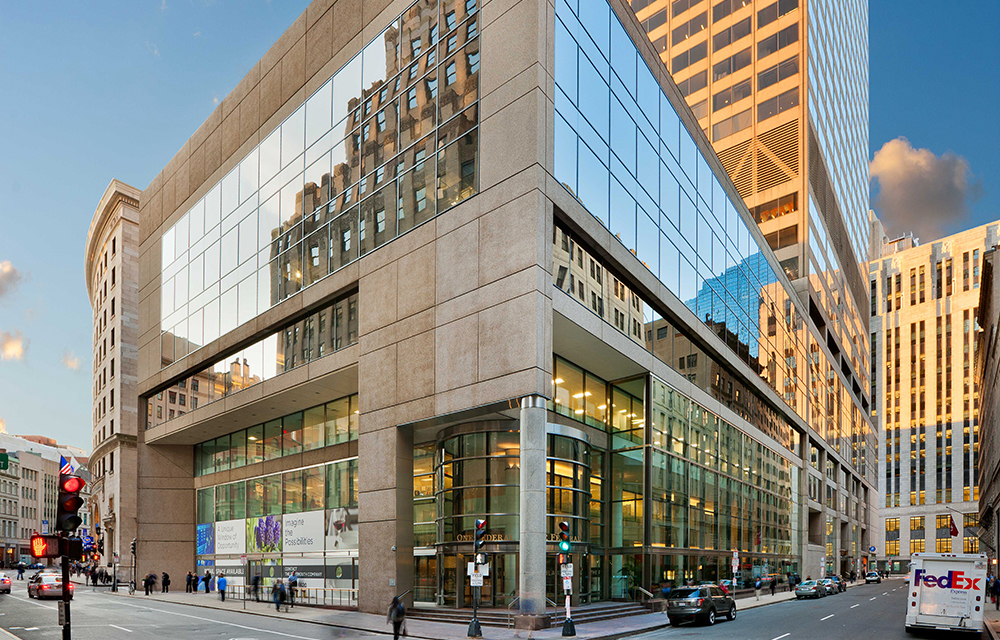
Rubin Rudman to establish headquarters at Tishman Speyer’s One Federal St.
Boston, MA Tishman Speyer has secured a new headquarters lease with Rubin Rudman at One Federal St., its 38-story, 1.1 million s/f tower in the Financial District. Under a 15-year lease, Rubin Rudman’s new headquarters will span 57,844 s/f across One Federal’s entire 23rd and 24th floors and a portion of the 25th floor.





 (1).png)

Columns and Thought Leadership

The legislature has spoken: New Hampshire doubles down on housing in commercial zones - by John Sokul
Last year, the New Hampshire Legislature enacted HB 631, a landmark housing measure requiring municipalities to permit multifamily housing in commercially zoned districts. The law generated

Revitalized Town Centers: Retail??? - by Carol Todreas
It is now widely accepted that customers want to shop in person at physical stores. Brands know that they do better business in a physical store than just on line so they want to open stores. Demand for retail space by digital merchants, local entrepreneurs, and newly developed national chains

IREM president’s message: Our new reality - Staying ahead of supply chain delays - by Yoany Vargas
Supply chain delays are slowing construction, ratcheting up operating costs, and extending turnover timelines across Greater Boston, directly reducing revenue and increasing the workload for multifamily and

Retail infill strategy to activate Pawtucket’s Conant Thread District - by Gaetan Kashala
Until recently, the Conant Thread District consisted of approximately 150 acres of underutilized industrial land spanning Pawtucket and Central Falls. Today, the area is one of the most significant