


 (1).png)
News:
Owners Developers & Managers
Posted: May 8, 2026
Strategic parking management as a driver of economic development ROI - by Gaetan Kashala

Pawtucket is undergoing a reimagination with important ramifications for the city, state, and region. Housing, commercial, and public infrastructure investments are accelerating. The Pawtucket-Central Falls Transit Center has repositioned the city as an attractive, sustainable, and cost-effective destination for residents, families, and businesses. Against this backdrop, parking management has emerged as one of the more consequential strategic decisions facing the city’s leaders.
At The Pawtucket Foundation, we view parking as an important framework through which the city’s broader economic outlook comes into sharp focus. Done thoughtfully, parking functions as an engine for investment, density, and urban vibrancy. However, an ill-conceived approach will undermine the very development momentum the city and its stakeholders have worked so diligently to build. A strategic parking management framework unlocks real tangible and intangible benefits: efficient use of existing parking assets, mitigation of unnecessary capital expenditure, support for economic development priorities, reduced traffic and environmental strain, and the generation of revenue that can be directed toward public policy goals ranging from infrastructure maintenance to education.
This context creates both urgency and opportunity. Pawtucket is proactively developing a unified parking management strategy comprising residential parking management programs, on street supply and demand dynamics, meaningful enforcement, merchant considerations, and exploration of pricing frameworks. Governance model decisions are also being weighed carefully, including the potential establishment of a self-sustaining parking enterprise fund versus a parking authority. Considerations include direct financial management and the flexibility to reinvest revenues locally, funding maintenance, technology upgrades, and long-term capital planning.
Pawtucket’s transit-oriented development seeks to bring about reduced auto dependency, prioritizing walkability and sustainability. Yet the market continues to carry strong expectations for ample and free parking. This tension is real, but it also represents a genuine opportunity. Shared-use parking can serve as the bridge between these two realities. When a garage serves commuters during the day and residents, restaurant patrons, or entertainment venues in the evening, utilization rates rise, financial viability improves, and the case for public investment strengthens. State and federal funders increasingly favor this kind of high-impact, multi-use infrastructure thinking.
Over a longer horizon, stakeholders broadly agree that a new structured parking facility is not an immediate necessity, a ten-year window is more realistic as new development gradually absorbs existing capacity. But the financing structures, governance decisions, and management systems established today will determine whether that future facility is achievable at all. Parking revenues alone rarely cover capital costs. Any future garage will require creative financing, public-private partnerships, and state participation, consistent with precedents from Wickford Junction to Providence’s courthouse district. That kind of financing requires a demonstrated track record of sound parking management and a clear strategic vision.
Pawtucket’s growth story is real. The challenge is ensuring our parking infrastructure evolves at the same cadence. The city is developing a dynamic, data-informed parking management strategy factoring smart pricing, shared use, design improvements, real-time technology, and ongoing policy refinement. This will unlock land value, attract investment, and strengthen the urban fabric we are collectively building. Parking management, positioned as a strategic asset, is one of the reasons Pawtucket will thrive in the decade ahead!
Gaetan Kashala is the executive director of the Pawtucket Foundation, Pawtucket, R.I.
MORE FROM Owners Developers & Managers
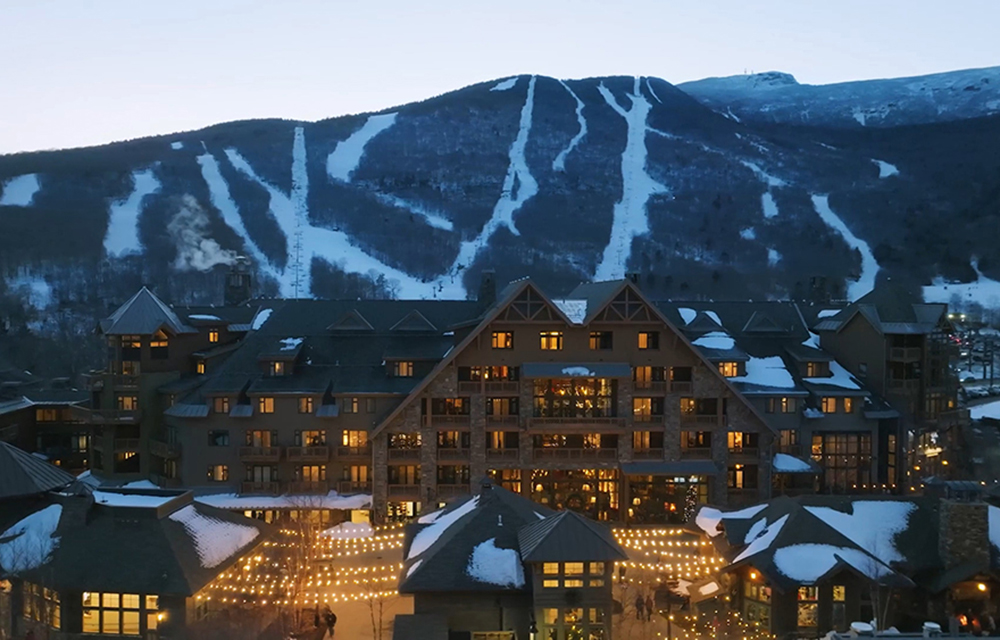
The Lodge at Spruce Peak recognized with Condé Nast Traveler’s 2026 Readers’ Choice Award - #3 in New England
Stowe, VT Condé Nast Traveler revealed the results of its annual Readers’ Choice Awards, with The Lodge at Spruce Peak recognized as the #3 U.S. Resort in New England.





 (1).png)

Columns and Thought Leadership
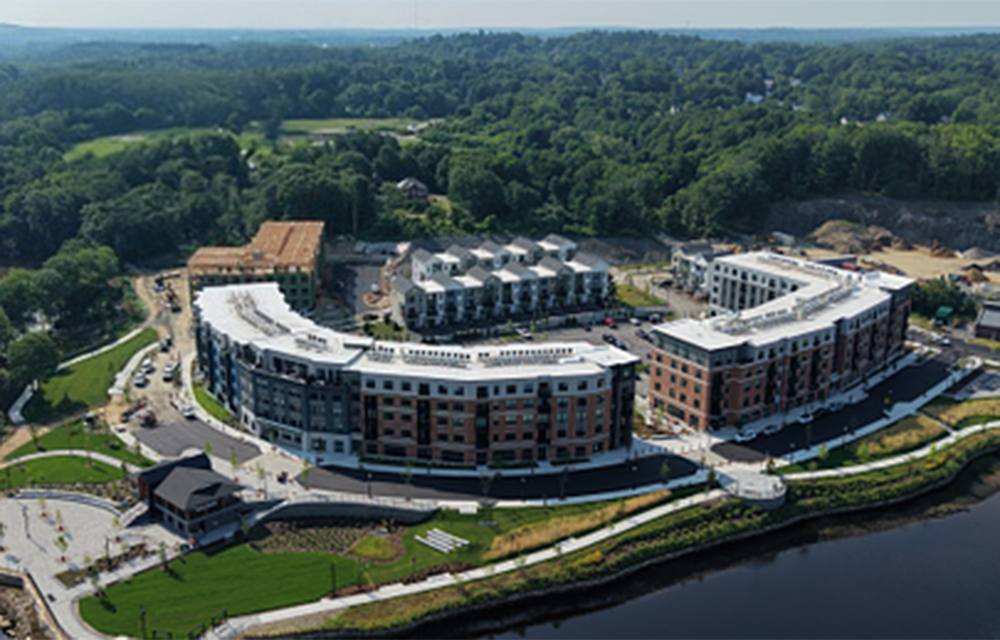
Retail infill strategy to activate Pawtucket’s Conant Thread District - by Gaetan Kashala
Until recently, the Conant Thread District consisted of approximately 150 acres of underutilized industrial land spanning Pawtucket and Central Falls. Today, the area is one of the most significant

The legislature has spoken: New Hampshire doubles down on housing in commercial zones - by John Sokul
Last year, the New Hampshire Legislature enacted HB 631, a landmark housing measure requiring municipalities to permit multifamily housing in commercially zoned districts. The law generated

IREM president’s message: Our new reality - Staying ahead of supply chain delays - by Yoany Vargas
Supply chain delays are slowing construction, ratcheting up operating costs, and extending turnover timelines across Greater Boston, directly reducing revenue and increasing the workload for multifamily and

Revitalized Town Centers: Retail??? - by Carol Todreas
It is now widely accepted that customers want to shop in person at physical stores. Brands know that they do better business in a physical store than just on line so they want to open stores. Demand for retail space by digital merchants, local entrepreneurs, and newly developed national chains