



News:
Spotlight Content
Posted: November 25, 2008
Women are like teabags... Now, you have to read an article that starts like that
Women are like teabags because you never know how strong they are until they get thrown into hot water.
I first heard that saying in a speech made by the president of a college, a woman president of course. It really is truly amazing how far women have come in the last 25 years or so.
As a real estate appraiser, I started my career about 23 years ago and soon learned that although there were many women who sold real estate, there were hardly any that actually appraised real estate. Of the few that did, however, I discovered they were true leaders and usually owned the company.
I can still remember one of the first Appraisal Institute meetings I went to in the Boston area. I think there were 100-200 people there and I had a hard time finding another woman. I remember it was like walking into a sea of dark suits. I remember vowing to always try to wear a light suit for future meetings just so I would stand out, because I truly wanted to get to know these wonderful professionals of both genders, and be remembered. I just knew this was going to be my profession for life.
I took every course I could and wanted to learn everything. And I wanted to learn from the best of the best. And I feel that I did.
I quickly grew to an office of 10-12 women, which was a pretty large office and we loved going to meetings together when possible, if for no other reason than to hear people say, "Who the hell are they?".
My colleagues soon started teasing me, asking me when I was going to start hiring some guys. I would always counter with - as soon as your start hiring some women. And then I would go on to explain how great my appraisers were and how they were missing out.
Now, there are plenty of women appraisers, some owners, some staff appraisers, some trainees. It is a great career to work around family and I am truly grateful for that.
My youngest is now 16 and starting to drive me on appointments and he will definitely be helping me measure houses and sketching them on the computer this summer.
When I first started in business, I desperately wanted my banker clients to take me seriously and I had to work very hard to get business and gain their confidence.
I had 2 problems. Not only was I female, but I was also young. Don't even get me started about the challenges of being pregnant and running a company (and then nursing).
But back to that teabag analogy... I was very determined and where there is a will, there is a way. Times are difficult for appraisers right now. Only the strongest, most qualified (hopefully) and most determined will survive this cycle.
I have tried to give back as much as possible, especially trying to mentor other women, to help them break through barriers. I encourage them to learn commercial work so they will be more diversified. The commercial appraiser crowd is truly "aging"—gracefully, but aging. It is harder to learn commercial and takes longer. But if you love it, you may never go back to residential. I love both, and every assignment is different. Every day is challenging. I can't say that I would change anything.
I'm glad I was president of the Mass. Board of Real Estate Appraisers several years ago during an exciting time for the organization. I still love going to meetings and networking. There are many new faces, which is a little scary for me, because I love to know who everyone is. But it is great, because it means that there are new people still coming into the field. And yes, plenty of them are women.
To any of you, whom I have not met, if you see me at a meeting, please introduce yourself. I would love to talk to you and I don't get around as well as I used to.
Maria Hopkins, SRA is the president of Maria Hopkins Associates, Paxton, Mass.
Tags:
Spotlight Content
MORE FROM Spotlight Content

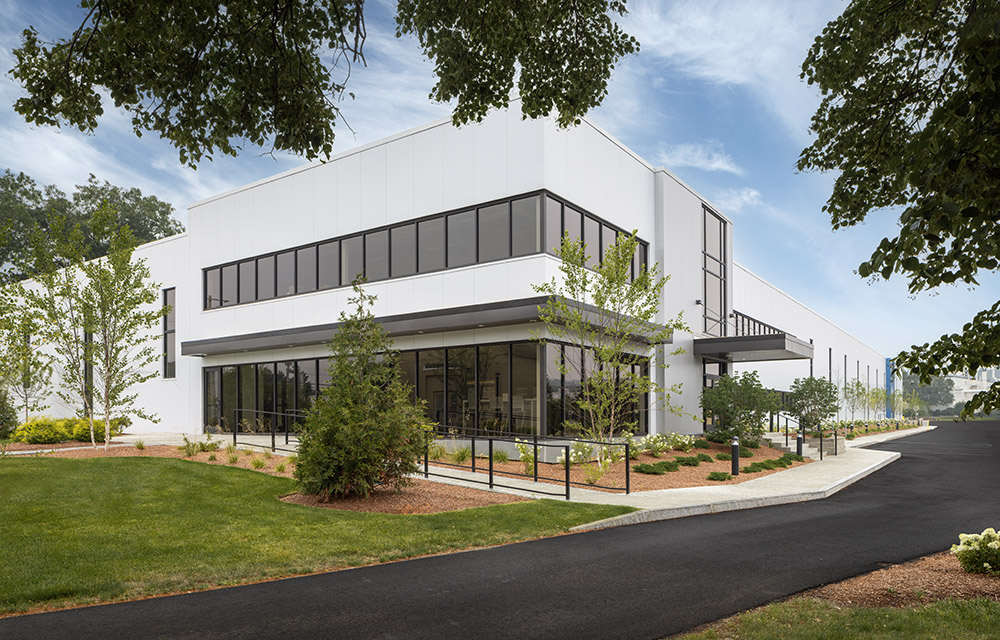
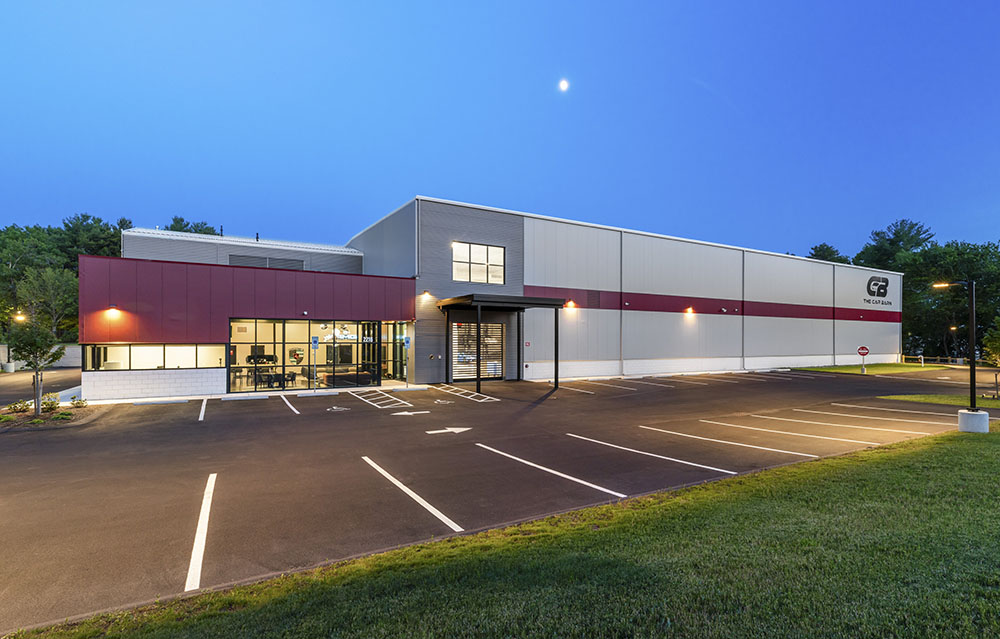
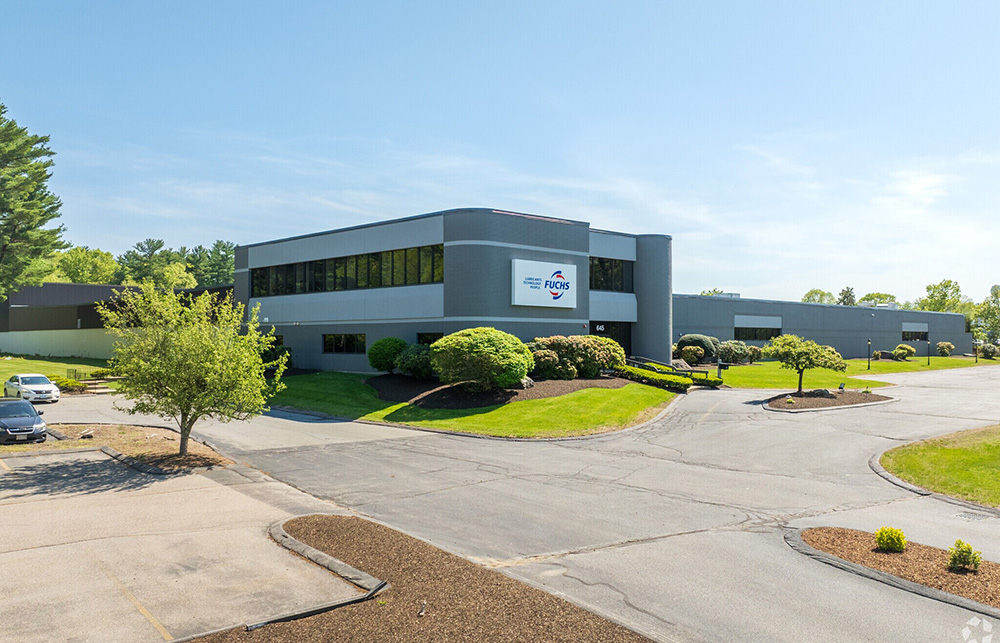
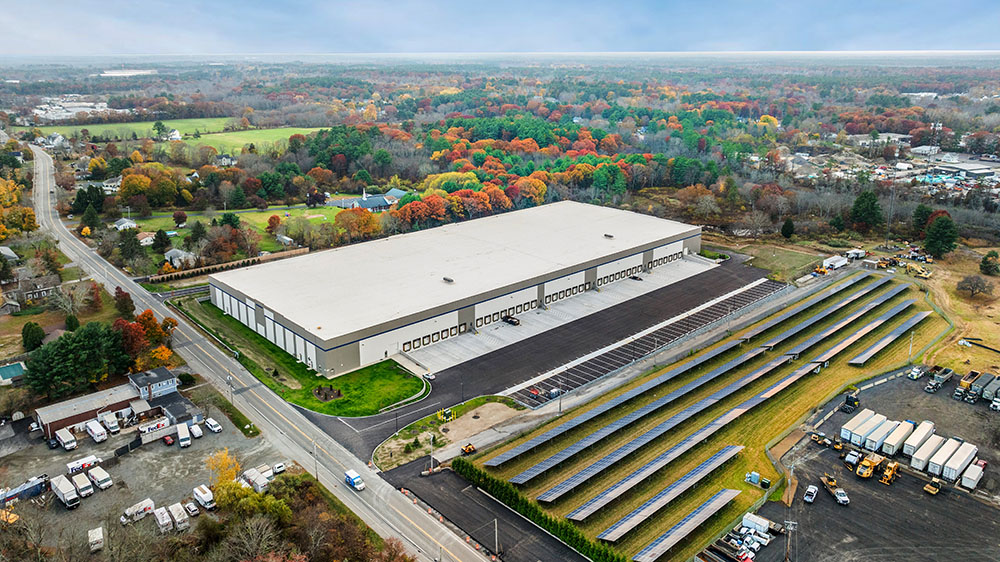
NEREJ's 2026 Industrial Review Spotlight
The New England Real Estate Journal is pleased to present Industrial Review 2026, a special publication highlighting the people, projects and properties shaping New England’s industrial real estate market.




Columns and Thought Leadership

How do we manage our businesses in a climate of uncertainty? - by David O'Sullivan
These are uncertain times for the home building industry. We have the threat of tariffs mixed with high interest rates and lenders nervous about the market. Every professional, whether builder, broker, or architect, asks themselves, how do we manage our business in today’s climate? We all strive not just to succeed, but

Shallow-bay wins on 495/128: A renewal-driven market with a thin pipeline - by Nate Nickerson
The Boston industrial market entered mid-2025 in a bifurcated state. Large-block vacancy remains elevated, while shallow-bay along the 495/128 corridor continues to prove resilient. Fieldstone’s focus on this geography positions us squarely in the middle of a renewal-driven, supply-constrained

Limited supply fuels landlord‑friendly conditions in Rhode Island’s industrial market - by Julie Freshman and George Paskalis
As we enter the spring of 2026, the Rhode Island industrial real estate market stands on stable footing, following several years of resilience fueled by constrained supply, steady demand, and dynamic economic conditions.

As legacy names recalibrate, new entrants are moving in with fresh capital, new technologies, and business models tailored to today’s supply-chain needs - by Michael Harrington
Southern New Hampshire’s industrial market has always punched above its weight. For decades, the region has attracted a mix of advanced manufacturing, beverage and food producers, logistics operators, and specialty
