



News:
Construction Design & Engineering
Posted: December 16, 2009
Reduce, reuse, remodel: Green remodeling solutions
Green is no longer just a color. We hear it everywhere: green cleaning, green cars, green buildings. Green has taken on many new meanings. What does this mean for remodelers?
Looking at the big picture, the facts are straight forward. We have a fixed amount of natural resources, a growing population and a changing natural environment. Approximately 40% of world energy use, material resource consumption, and green house gas emissions are a byproduct of building construction and operation. Building, by definition, is not green. Builders and remodelers, however, can significantly reduce a project's impact on the environment.
Green building is not about spending money on trendy "green" products. To reduce impact on the environment, remodelers must identify and incorporate practical green solutions and focus on proper design, non-destructive land use, material conservation, energy efficiency, construction of sustainable structures, and improved indoor air quality.
Proper Planning is Critical
Every successful green project starts in design. Without proper planning, opportunities to maximize dollars spent on efficiency improvements, advanced framing and proper product selections will be lost. Existing materials like cabinets, trim, and framing should be identified for reuse. If a product is salvageable but cannot be used on-site, it can be carefully deconstructed and donated to organizations like Habitat for Humanity. Finally, demolition materials should be recycled.
Focus on Energy Efficiency
Improvements to energy efficiency through weatherization upgrades allows remodelers to incorporate green principles in a financially justifiable manner. A home energy auditor can conduct a whole house systems analysis that identifies inadequacies in a structure's thermal envelope and mechanical systems. An energy audit should include blower door testing and infrared imaging which identify opportunities to improve air leakage, inadequate insulation levels and underperforming heating and ventilation systems.
Choose Products Wisely
With everyone jumping on the "green" bandwagon, it is critical that the remodeler identify characteristics of truly environmentally responsible products, which include:
* Products with recycled content.
* Local and minimally refined products that require nominal energy to harvest, create and transport.
* Wood certified by the Forest Stewardship Council (FSC), an internationally recognized organization that promotes responsible harvesting and management of the world's forests.
* Finishes, paints and building products that off gas little or no volatile organic compounds (VOCs). Many VOCs are known carcinogens and have significant effects on indoor air quality and occupant health.
The green building movement holds within it a profitable future for remodelers who explore building techniques and products that yield benefits for the client and our natural environment. As the green building market develops, phony green claims will be exposed, leaving the educated remodeler to pick up the pieces. Remodelers should be positioned to provide clients with options that make sense both environmentally and financially.
Matt Beaton, LEED AP, NARI GCP is the owner of Beaton Construction, Shrewsbury, Mass.
MORE FROM Construction Design & Engineering
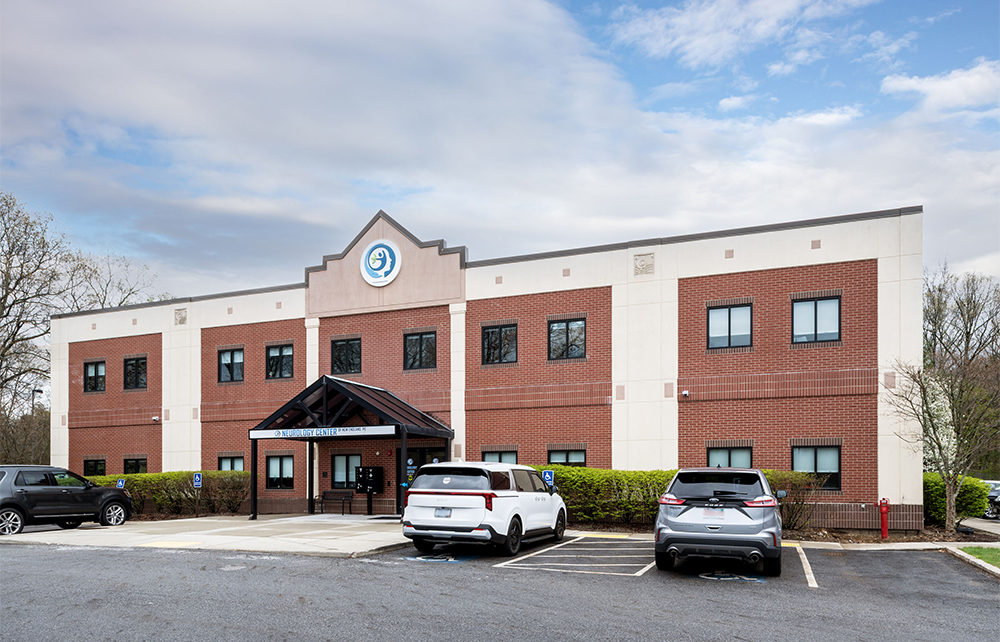
Timberline Construction Corp. completes renovations for Neurology and Infusion Center of New England
Foxborough, MA Timberline Construction Corp. (Timberline) has completed a 20,000 s/f healthcare construction project for the Neurology and Infusion Center of New England at 18 Washington St. The full interior renovation transforms an existing two-story medical office building into a purpose-built outpatient care environment that doubles the center’s clinical footprint, expands services and positions the growing practice for its next chapter.
.jpg)





Columns and Thought Leadership

Greenwood Credit Union City Hall Plaza nears completion - by Frank Picozzi
After several years of planning, construction, and anticipation, the community is eagerly awaiting the opening of the Greenwood Credit Union City Hall Plaza and outdoor skating rink later this month.

ABC-Mass. chairman’s message: Rent control isn’t the answer to our housing crisis - by Luiza Mills
As you may know, Massachusetts voters will be weighing in on a number of ballot initiatives in November. Among them is a proposal to impose the nation’s strictest statewide rent control policy. I’d like to tell you why the ABC MA Board

It’s time to lead: Confronting mental health in construction - by David Watts
As we close Mental Health Awareness Month, we must be clear: May isn’t just about ribbons, hashtags, or lunchtime mindfulness apps. It’s about responsibility to confront hard truths that linger in silence, and to challenge ourselves, as leaders in our industry, to do more.

Navigating tariffs and material uncertainty in today’s construction market - by Karl Ginand and Tiffany Gallo
As headlines around tariffs seem to dominate the news daily, many considering construction projects have anticipated major cost escalations and widespread supply issues. While tariffs haven’t driven pricing spikes to the extent once feared, the lasting impact has been a new layer of uncertainty, affecting more than just budgets.