News:
Construction Design & Engineering
Posted: June 20, 2025
It’s time to lead: Confronting mental health in construction - by David Watts
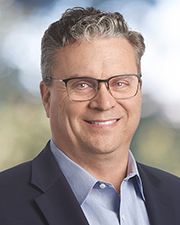
As we close Mental Health Awareness Month, we must be clear: May isn’t just about ribbons, hashtags, or lunchtime mindfulness apps. It’s about responsibility to confront hard truths that linger in silence, and to challenge ourselves, as leaders in our industry, to do more.
In construction, suicide rates among workers are five times higher than jobsite incidents. Behind each number is a person. I’ve lost loved ones to both sudden and slow forms of suicide. To me, mental health is not abstract; it’s deeply personal.
The real crisis isn’t stress or burnout but breaking the stigma. As construction is a predominantly male field, seeking help is often seen as a sign of weakness. But mental health affects everyone, regardless of gender.
At Skanska, we’re working to address and eliminate these stigmas. We are investing in meaningful resources and support systems to ensure employees know they’re not alone, and that help is always available.
Challenges: Studies show that up to 90% of people who die by suicide have a mental health condition, with depression being the most common. However, other conditions, often overlooked, also have a significant impact.
The construction industry discusses stress and mental health issues more frequently, yet it fails to prioritize distress as a critical problem which causes severe mental and physical damage.
At the same time, the growing popularity of mental health first aid courses has generated some concern amongst professionals. Many organizations view these certifications as a simple solution to mental health issues, and while well-intentioned, they fail to understand that these certifications do not provide the necessary skills to handle complex mental health problems. These solutions don’t fix a culture that equates vulnerability with weakness, erase the fear that opening will get you sidelined or sent home, or change the belief that being a “real man” means suffering in silence.
The solution to these challenges begins with leadership setting the tone not just in May but every day. If we treat mental wellness like PPE, essential, not optional, we’ll begin to see real changes.
An extensive industry-focused strategy is a start, which goes past awareness education to create meaningful action.
Wellness Workdays: Skanska has introduced an extensive wellness program for job sites through its Simmons University Living Learning Center and P&G projects in New England as part of its dedication to mental health awareness and employee wellbeing. This initiative, launched through the company’s Wellness Workdays program, is designed to create a healthier, more supportive work environment for all team members.
The program’s main feature is injury coordination which provides immediate on-site medical care to workers while ensuring proper medical provider follow-ups and precise injury documentation. This proactive system helps workers recover physically and minimizes the anxiety that typically accompanies workplace accidents.
Wellness coaching also plays a critical role in the initiative by offering customized wellness plans, both one-on-one and in group settings. A standout feature of the coaching component is the morning “stretch and flex” routine, which has quickly become a preferred method for energizing project teams and fostering camaraderie before the workday begins.
Safety integration ensures that wellness is embedded into daily operations. Skanska’s Environment, Health, and Safety (EHS) team works closely with project teams to provide ongoing safety training, conduct regular health assessments, and engage employees in wellness committees. Importantly, these efforts are carried out in a way that respects individual privacy, with a clear boundary drawn around substance abuse collections.
Through initiatives like Wellness Workdays, Skanska is setting a new standard for how construction companies can actively support the mental and physical health of their workforce, building stronger, safer teams from the ground up.
Progress in Mental Health, Safety, and Support: As we move beyond May, there’s still work to be done. While we’ve made meaningful progress in prioritizing mental health and wellbeing for construction workers, conversations must continue to dismantle the stigma.
Providing onsite resources, fostering open conversations, and creating space for honest feedback are helping to break down the stigma that asking for help is a weakness and moving the industry from awareness to accountability. By embedding wellness into the fabric of the job site, we’re not only supporting mental health, but we’re also enhancing safety, reducing risk, and promoting healthier outcomes for everyone involved.
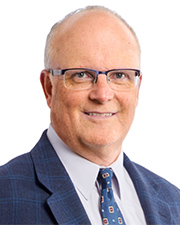
David Watts is the EHS director, Skanska USA Building, New England region, Boston, MA.
MORE FROM Construction Design & Engineering
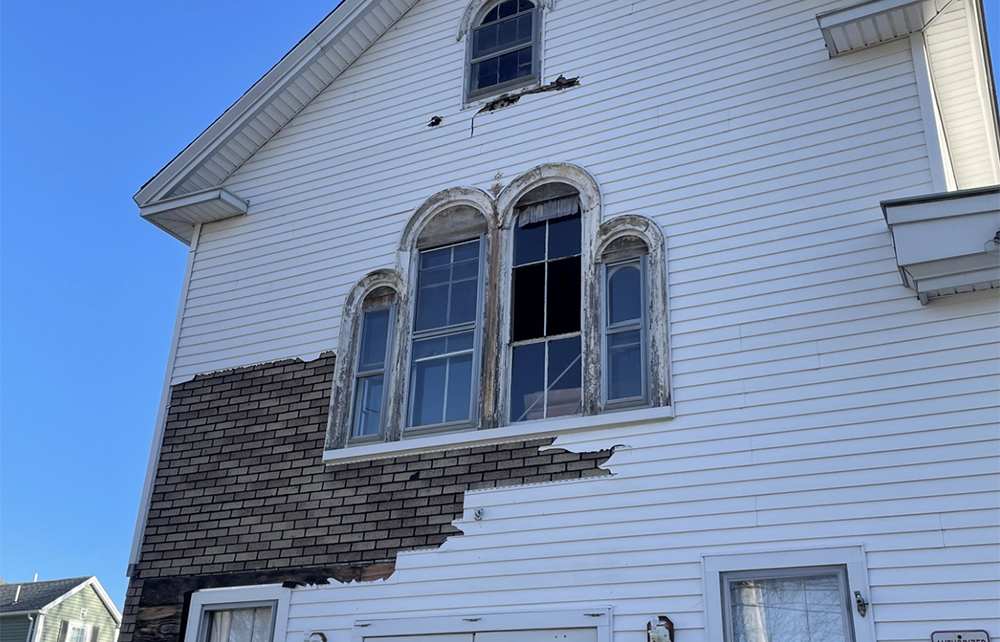
Horsley Witten Group releases redevelopment assessment for Merrimac, Mass. affordable housing project
Merrimac, MA Horsley Witten Group, an environmental consulting firm specializing in sustainable and resilient design solutions, worked with the town, and with MassDevelopment to lead a redevelopment assessment of two vacant, town-owned



Quick Hits


Columns and Thought Leadership
Greenwood Credit Union City Hall Plaza nears completion - by Frank Picozzi
After several years of planning, construction, and anticipation, the community is eagerly awaiting the opening of the Greenwood Credit Union City Hall Plaza and outdoor skating rink later this month.
It’s time to lead: Confronting mental health in construction - by David Watts
As we close Mental Health Awareness Month, we must be clear: May isn’t just about ribbons, hashtags, or lunchtime mindfulness apps. It’s about responsibility to confront hard truths that linger in silence, and to challenge ourselves, as leaders in our industry, to do more.

ABC-Mass. chairman’s message: Rent control isn’t the answer to our housing crisis - by Luiza Mills
As you may know, Massachusetts voters will be weighing in on a number of ballot initiatives in November. Among them is a proposal to impose the nation’s strictest statewide rent control policy. I’d like to tell you why the ABC MA Board
Navigating tariffs and material uncertainty in today’s construction market - by Karl Ginand and Tiffany Gallo
As headlines around tariffs seem to dominate the news daily, many considering construction projects have anticipated major cost escalations and widespread supply issues. While tariffs haven’t driven pricing spikes to the extent once feared, the lasting impact has been a new layer of uncertainty, affecting more than just budgets.

September Promotion