Category: Spotlight Content

Building owners: Plan and decide before your lender does - by Nate Nickerson
September 25, 2026
Talk to any active industrial buyer between Boston and Worcester and you’ll hear the same thing: they have capital access, they want product, and they can’t get owners to meet today’s pricing. Talk to owners and you’ll hear the reverse: buyers are
Boston’s real outer edge: The road connecting New England’s commercial core - by Thomas House
September 25, 2026
Though I-495 is functionally more interstate than beltway, it would be one of those interstates that don’t actually cross a state line. (It gets close though, within 400 ft. of New Hampshire.) But for the fact that it crosses I-95 twice, it could conceivably have
2026 Women in CRE: Featured Woman-Owned Business - The Stevens Group
September 25, 2026
Founded in 1980, The Stevens Group is a Boston-based commercial real estate brokerage and advisory firm with more than four decades of experience helping companies make informed real estate decisions. Today, our practice is centered on Corporate Real Estate Advisory & Tenant Representation, providing independent, conflict-free guidance to tenants and occupiers throughout Greater Boston and beyond.
2026 Women in CRE: Featured Woman-Owned Business - Craft Contractor, Inc.
September 25, 2026
Craft Contractor, Inc. is a woman-owned WMBE certified by SDO, specialty contractor based in Massachusetts. Founded by Indy Prates, Craft provides Painting, finish carpentry, wallcovering and window treatment for commercial construction projects throughout New England.
2026 Women in CRE: Featured Company - J. Calnan & Associates
September 25, 2026
At JC&A, every team member is essential. We’re excited for this opportunity to tip our hard hats to some of the incredible women on our team who are breaking barriers, sparking innovation, and shaping the future of construction management.

2026 Women in CRE: Featured Company - Davis Malm
September 25, 2026
At Davis Malm, we value the women within every practice group, as their leadership and expertise directly drive the success of our clients and our firm. Our commercial real estate team champions this excellence, proving that collaboration, skill, passion, client focus, creativity, and mentorship are keys to successful outcomes.
2026 Women in CRE: Featured Company - Bernkopf
September 25, 2026
We’re proud to recognize Lydia Chesnick, April (Wilmar) DaSuta, Sheryl Starr, Meredith Swisher, and Brooke Foster for their incredible contributions to Bernkopf. Each attorney brings distinct strengths, perspectives and experience that strengthen our team and the way we serve our clients across the commercial real estate industry.

2026 Women in CRE: Featured Company - Wilder
September 25, 2026
Today, we celebrate just a few of the many remarkable women whose talent, creativity, and commitment help make Wilder what it is. From building relationships and solving challenges to creating value across our portfolio, their contributions have a meaningful impact on our properties, our partners, our communities, and our company every day.
2026 Women in CRE: Featured Company - Timberline Construction
September 25, 2026
At Timberline, our strength as a construction management firm comes from the depth and range of talent across every part of our organization. The four women we’re proud to feature this year, representing marketing, estimating, accounting, and project management, reflect the collaborative, cross-functional work that makes our company successful.
2026 Women in CRE: Featured Company - Partridge Snow & Hahn
September 25, 2026
We are excited to recognize the women of PSH’s Real Estate team for the expertise, leadership, and perspective they bring to New England’s commercial real estate industry. We’re proud of the depth of experience across our team and the collaborative, client-focused approach each woman brings to her work. Together, they demonstrate the impact women can have across all facets of the commercial real estate industry.

2026 Women in CRE: Rita Lavoie, Quonset Development Corp.
September 25, 2026
What professional accomplishment or experience are you especially proud of?
I’m proud of my nontraditional career path, spanning community planning, GIS, environmental science, and public policy. I play a leadership role in real estate management and leasing, supporting the continued growth of Quonset Business Park.
2026 Women in CRE: Natasha Marcuard, Northstar Project & Real Estate Services
September 25, 2026
What professional accomplishment or experience are you especially proud of?
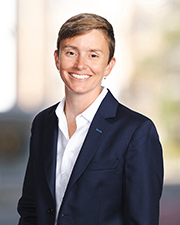
Serving as president of Professional Women in Construction Boston has been one of the most rewarding experiences of my career. I’ve observed how powerful collaboration and impact can be when people bring their strengths, perspectives, and passion together around a shared goal or mission.


Trending Stories

Quick Hits